
 English
  Deutsch
 Français
 Русский
 Español
 Português (Brasil)
 Bahasa Melayu
 Bahasa Indonesia
 한국어
한국어 Nederlands
 Tiếng Việt
 العربية
How Global Beauty Markets Are Changing: What International Brands Should Know
How Global Beauty Markets Are Changing: What International Brands Should Know
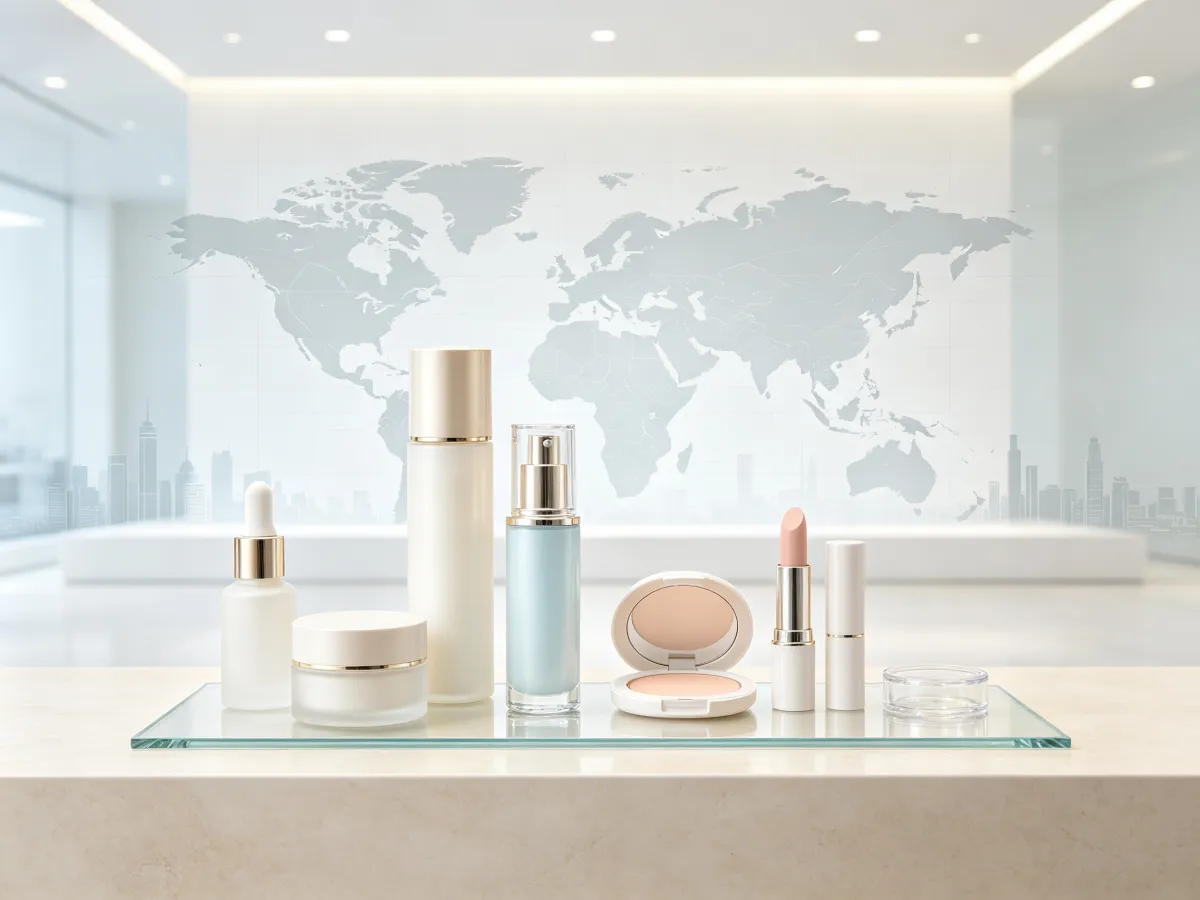
The beauty industry is global, but beauty markets are not identical.
A cosmetic product that attracts strong interest in one country may receive a very different response somewhere else. Differences in climate, consumer habits, purchasing channels, culture and product preferences can all influence how beauty products are developed and positioned.
For brands planning to enter international markets, understanding these differences can be just as important as developing the formula itself.
One Global Trend Can Have Different Local Meanings
A trend can spread internationally while taking different forms in different markets.
For example, consumers across many regions may show interest in skincare products focused on hydration. But the preferred product format can vary.
Consumers in a hot and humid climate may prefer lightweight gels, emulsions or refreshing textures.
In a colder or drier environment, richer creams may be more attractive.
The basic need may be similar, but the product experience can be different.
This is an important lesson for international beauty brands: global demand does not necessarily mean a single product format will suit every market.
Climate Can Influence Product Preferences
Climate is sometimes overlooked during product development.
Temperature and humidity can affect how consumers experience cosmetic products.
A rich, highly occlusive cream may feel comfortable to one customer and too heavy to another.
Similarly, a very lightweight formula may feel refreshing in one environment but insufficient in another.
This does not mean that products must always be completely reformulated for every country.
Instead, brands can consider whether their chosen texture and format make sense for the markets they are targeting.
Different Markets Have Different Product Habits
Beauty routines also vary.
Some consumers may prefer multi-step skincare routines with several specialized products. Others may prefer a smaller number of multifunctional products.
Some markets have strong demand for facial skincare, while others may offer significant opportunities in hair care, body care, makeup or personal care.
This creates opportunities for brands willing to research specific markets instead of assuming that global consumers have identical needs.
The Growth of Digital Beauty Discovery
The way consumers discover beauty products has also changed.
A consumer may first encounter a product through social media, a beauty creator, an online marketplace, a search engine or a brand website.
This means product discovery can happen long before the customer enters a physical store.
As a result, a beauty product needs to communicate clearly in digital environments.
Product names, packaging, photography, texture descriptions and educational content all become part of the customer experience.
This is particularly relevant for emerging brands that rely heavily on online sales.
Product Education Can Help International Brands
A consumer may understand the general category of a product but still have questions.
What is it?
How is it used?
Who is it designed for?
What does it feel like?
What makes it different?
Educational content can help answer these questions.
This is one reason beauty blogs, product guides and ingredient articles can be useful for international brands.
They do more than attract search traffic. They can also explain a product concept before the customer makes a purchasing decision.
Packaging Needs to Work Across Markets
International products also need practical packaging considerations.
Labels, product information, package size and dispensing systems can all matter.
Packaging should also communicate the intended positioning.
A premium skincare product, for example, may require a different visual language from a mass-market personal care product.
At the same time, the package should remain practical for transportation, storage and everyday use.
This is where packaging development becomes part of the larger product development process.
New Beauty Brands Can Start With a Focus
Entering an international market does not necessarily require a large product catalog.
A focused collection can sometimes make it easier to establish a clear identity.
For example, a brand could begin with a small group of related products:
Cleanser
Serum
Moisturizer
Mask
The exact combination depends on the target customer and positioning.
The important point is that the products should make sense together.
Once the brand understands customer response, additional products can be developed based on real market feedback.
Market Research Should Come Before Product Development
One common challenge is developing a product first and looking for customers afterward.
A more structured process can begin with market research.
Questions might include:
Which consumers are being targeted?
What products are already popular?
What gaps exist in the current market?
What product formats are common?
What textures do consumers prefer?
What price positioning is realistic?
What type of packaging fits the market?
The answers do not need to be perfect.
Even basic research can help narrow the direction before formulation work begins.
International Beauty Is Becoming More Diverse
The global beauty market is becoming more diverse, with consumers exposed to products and beauty concepts from many different regions.
A brand can learn from global trends while still adapting its product strategy to local preferences.
This balance is important.
Following international trends can reveal opportunities, but local market understanding helps determine whether those opportunities are actually relevant.
For companies developing beauty products for multiple markets, this can influence everything from formula texture to product format and packaging.
A Practical Way to Think About Global Product Development
Instead of asking:
“What cosmetic product is popular globally?”
brands may find it more useful to ask:
“Which consumer need exists in my target market, and what product experience can address it?”
That small change in thinking can lead to better product decisions.
The global beauty industry will continue to evolve, but there will probably never be one universal beauty formula.
Successful international products need to consider both global opportunities and local expectations.
For brands developing new cosmetics, that means market research, formulation, packaging and product positioning should ideally work together from the beginning.