
 English
  Deutsch
 Français
 Русский
 Español
 Português (Brasil)
 Bahasa Melayu
 Bahasa Indonesia
 한국어
한국어 Nederlands
 Tiếng Việt
 العربية
7 Skincare Trends Shaping New Beauty Products in 2026
7 Skincare Trends Shaping New Beauty Products in 2026
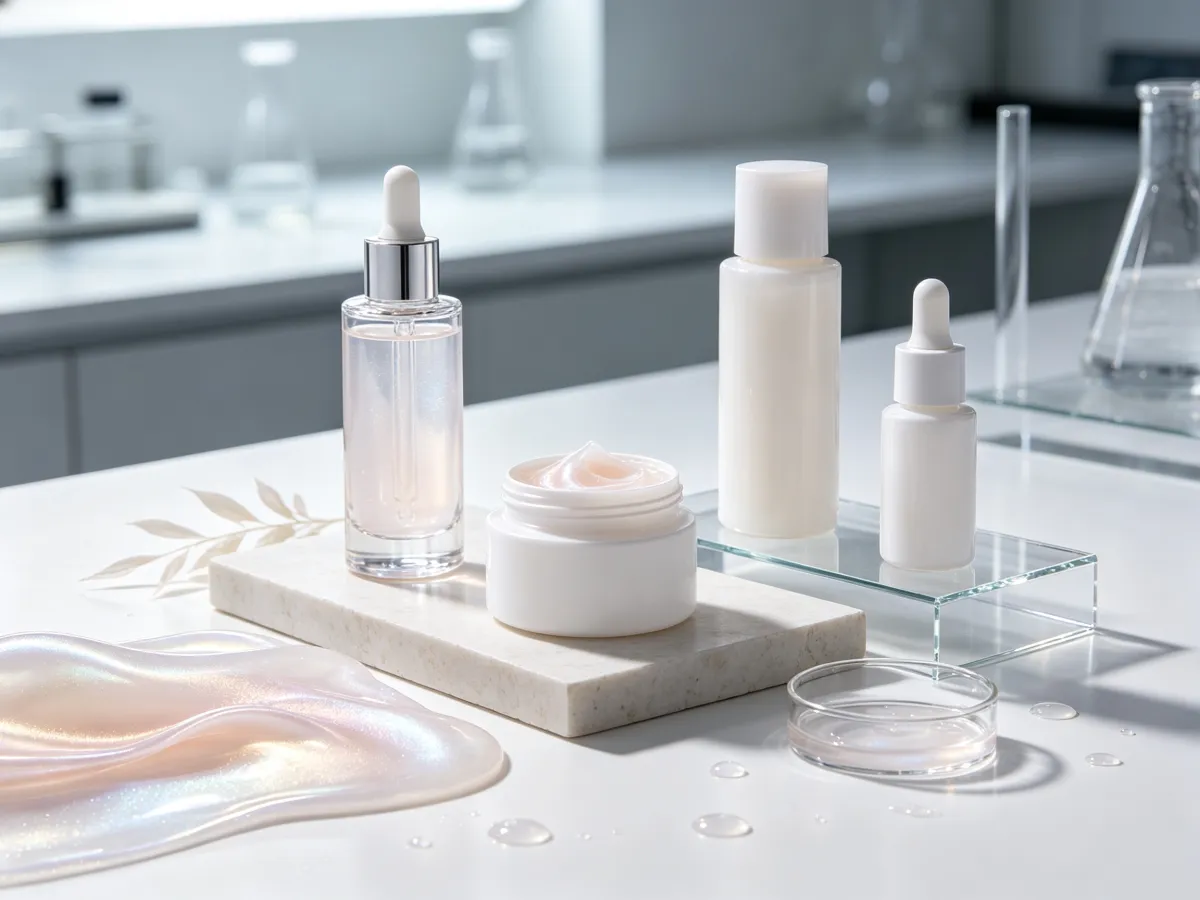
Skincare is one of the most continuously evolving areas of the beauty industry. New ingredients appear, familiar ingredients find new applications, and consumers increasingly pay attention to how products feel, how they fit into their routines and whether they solve a specific need.
For beauty brands, following skincare trends is not simply about finding the next popular ingredient. It is about understanding why a trend is gaining attention and whether it can be turned into a useful product concept.
Here are seven skincare trends worth watching as brands plan new products in 2026.
1. Simple Routines Are Still Influential
For years, skincare routines became increasingly complicated. Consumers were introduced to multiple steps, different treatment products and increasingly specialized formulas.
But there is also growing interest in simpler routines.
Many consumers want products that are easy to understand and convenient to use. Instead of building a routine around a large number of separate products, they may prefer multifunctional or straightforward products that fit naturally into everyday life.
This does not mean that complex formulas are disappearing.
Rather, the product needs to have a clear reason for existing.
A cleanser should provide an enjoyable cleansing experience. A serum should have a clear purpose. A moisturizer should provide the texture and comfort expected from the product.
For new brands, clarity can be a valuable part of product positioning.
2. Skin Barrier Care Remains a Strong Theme
The skin barrier has become a familiar topic among consumers.
Products associated with hydration, comfort and barrier support continue to attract attention because many consumers are looking for gentler skincare experiences.
This has influenced the development of cleansers, moisturizers, serums, masks and other product formats.
However, brands should avoid treating “barrier care” simply as a marketing phrase.
The formula, texture and overall user experience should support the intended positioning.
A gentle cleanser, for example, may need to balance effective cleansing with a comfortable after-feel. A moisturizer may need to provide sufficient richness without becoming unpleasantly heavy.
This is where formulation development becomes important.
3. Lightweight Textures Are Expanding Into More Product Types
Lightweight textures are not limited to facial serums.
Consumers can now find lightweight lotions, gel creams, emulsions, body products, hair care products and other formats designed to provide a comfortable feel without excessive heaviness.
Texture can also help differentiate otherwise similar products.
Two moisturizers may use similar ingredient concepts but provide completely different consumer experiences because of their formulation structure.
For brands, texture can therefore become part of product identity.
A product described as fast-absorbing, refreshing or silky should deliver a corresponding experience rather than relying entirely on written claims.
4. Ingredient Awareness Continues to Grow
Consumers are becoming more familiar with cosmetic ingredients.
Names such as niacinamide, hyaluronic acid, peptides, ceramides and vitamin C are now widely recognized outside professional beauty circles.
This creates both opportunities and challenges for brands.
On one hand, familiar ingredients can make product concepts easier to communicate.
On the other hand, simply placing a popular ingredient on a label does not automatically create a successful product.
The concentration, formula structure, ingredient compatibility, stability and overall product experience all matter.
A good formulation is more than a list of fashionable ingredients.
5. Skincare and Body Care Are Moving Closer Together
Another interesting development is the increasing attention given to body skincare.
Consumers who care about facial skincare may also be interested in improving the care of other areas of the body.
This has created opportunities for body lotions, body serums, exfoliating products, hand care, foot care and other specialized formats.
For brands, this can create a natural path for product-line expansion.
A brand with a strong facial skincare identity may eventually explore body care products that use similar positioning, textures or ingredient concepts.
This can help create a more consistent product portfolio rather than launching unrelated products.
6. Personalization Is Influencing Product Development
Not every consumer has the same skin type, climate or lifestyle.
This has encouraged greater interest in products designed for particular needs.
Personalization can take many forms. It does not necessarily mean creating a completely unique formula for every individual.
It can simply mean developing products for clearly defined consumer groups.
For example:
Products designed for dry skin
Lightweight products for humid climates
Gentle products for sensitive-feeling skin
Products designed for mature skin
Products focused on specific skincare routines
This kind of focused development can make product communication clearer and may help smaller brands identify a more specific market position.
7. The Product Experience Matters as Much as the Ingredient Story
One of the most important lessons from current skincare trends is that consumers experience the entire product, not just its ingredient list.
They notice how the product looks, smells, spreads and absorbs.
They notice whether the packaging is convenient.
They notice whether the product fits into their daily routine.
And they remember how their skin feels after use.
For this reason, product development should ideally consider formulation, packaging and user experience together.
A promising ingredient concept still needs a suitable formula. A beautiful package still needs to protect and dispense the product effectively. A strong marketing concept still needs to match the actual product experience.
How Can Brands Turn a Trend Into a Product?
A trend should be treated as an opportunity for research rather than an automatic instruction to launch a product.
Before developing a new skincare product, brands can ask:
Who is the target consumer?
What problem or need is the product addressing?
Why would this product be different from existing options?
What kind of texture and format fit the target market?
What packaging would support the formula and positioning?
These questions can help separate a temporary trend from a useful product opportunity.
The beauty market will continue to change, but the strongest product concepts are usually those that connect a recognizable consumer need with a well-designed product experience.
For brands considering a new skincare line, the next step is not necessarily to chase every new ingredient. It may be more valuable to identify a clear market need and develop a formula, texture and package around it.